
Fresh A2 Paneer vs Packaged Paneer: What Should You Check?


For example, two blocks labelled paneer can differ in milk source, freshness, texture, ingredients and handling. Therefore, choose the one with a transparent source, appropriate hygiene and reliable cold storage.
How paneer is made
To make paneer, producers heat milk and add a suitable acidic ingredient, causing milk proteins and fat to form curds while whey separates. Next, producers drain and press the curds. As a result, texture depends on milk composition, heat, acidity, moisture and pressing.
What is fresh A2 paneer?
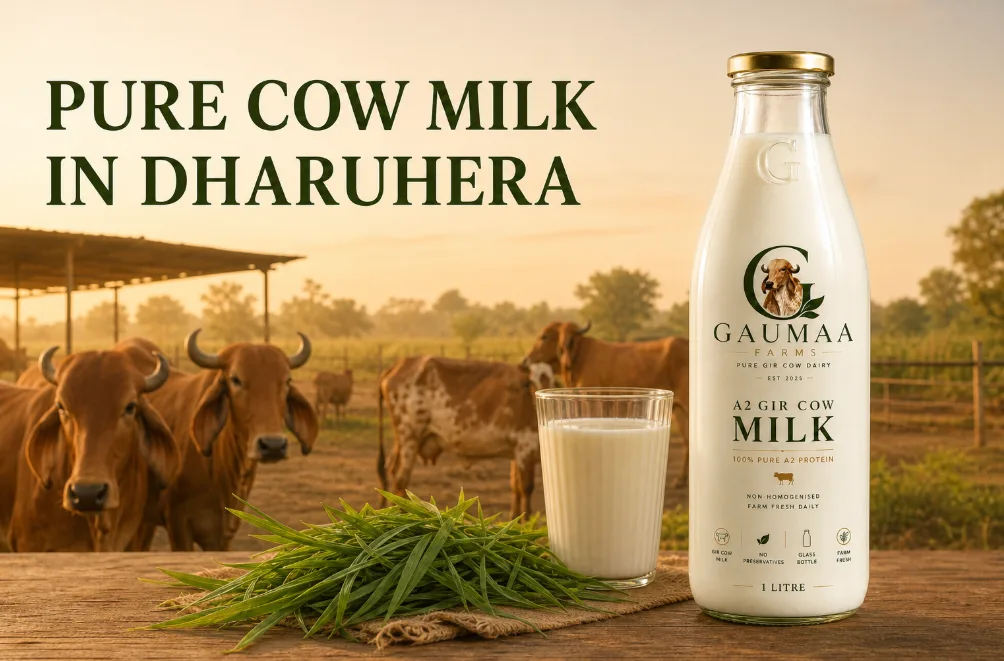
A2 paneer is made from milk containing the A2 beta-casein variant. For instance, Gaumaa Farms uses milk from Gir and Sahiwal cows raised in Nikhri, Dharuhera. However, A2 does not mean lactose-free, allergy-safe or medicinal.
Fresh and packaged are not opposites
Importantly, a producer may package fresh paneer hygienically, while packaged paneer may also be recently made. Therefore, ask when the producer made it, which milk was used, what ingredients it contains, how it was packed and whether it remained refrigerated.
Milk source and ingredients
A farm-based producer can offer a shorter connection between cow, milk and paneer. In addition, read the ingredient list and look for clearly identified dairy ingredients, allergen information, manufacturer details, dates and storage instructions. Do not assume that a product made with vegetable fat is dairy paneer merely because it looks similar.
Texture and intended use
For example, soft, moist paneer suits bhurji and gentle curries. By contrast, firmer paneer holds its shape for tikka and grilling. However, softness alone does not prove purity, and very moist paneer may spoil more quickly.
Does A2 paneer suit everyone?
Importantly, A2 paneer still contains cow-milk proteins and is unsuitable for those diagnosed with a cow-milk protein allergy. In addition, it may retain lactose and is not a treatment for digestive disorders.
Hygiene and refrigeration
- Check that paneer is cold when received.
- Ensure packaging is intact and clean.
- Refrigerate it immediately.
- Use a clean knife and board.
- Follow current use-by guidance.
- Discard abnormal odour, colour or slime.
Can home tests prove purity?
However, viral tests based on texture, iodine, rubbing or boiling cannot prove complete purity or safety. For example, they cannot reliably identify microbial contamination, every adulterant or cold-chain failure. Therefore, use validated laboratory analysis for dependable results.
Why Gaumaa Farms paneer is distinctive
The source milk comes from indigenous cows raised under farm supervision. For example, seasonal fodder may include moringa, beetroot, turmeric root, sugarcane, turnip, lemongrass, radish, neem leaves and other plants. Cows may graze near the Sahibi River bank. Importantly, these details explain feeding and traceability, not medicinal effects transferred to paneer.
Frequently asked questions
Q: Is A2 paneer lactose-free?
A: No.
Q: Is fresh paneer always better?
A: No. Hygiene, refrigeration, ingredients and producer reliability all matter.
Q: How can I confirm genuine paneer?
A: Check the source, ingredients and label; complete confirmation requires validated testing.
Q: Can someone with a milk allergy eat it?
A: No. It contains cow-milk proteins.
Q: Where can I buy it locally?
A: Contact Gaumaa Farms for current availability in Dharuhera, Bhiwadi and Rewari.
Conclusion
In conclusion, the best paneer combines a traceable source, honest ingredients, hygienic production and proper refrigeration. Shop Gaumaa Farms or check local availability.
Reference: FSSAI dairy-product standards.