
A2 Milk for Children: A Farm-First Choice for Everyday Family Nutrition

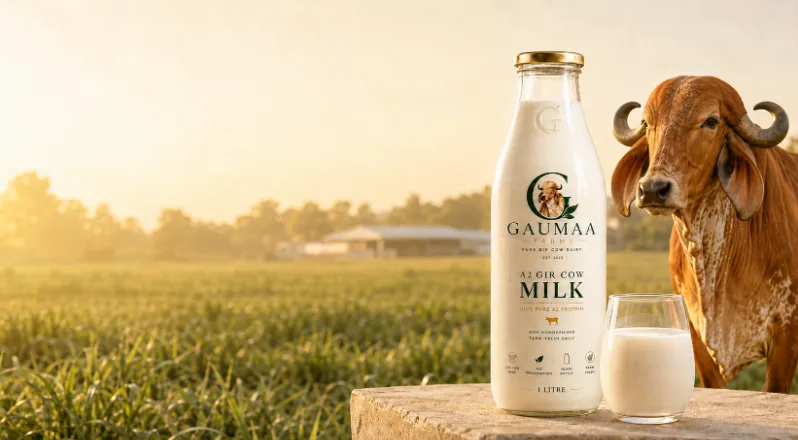
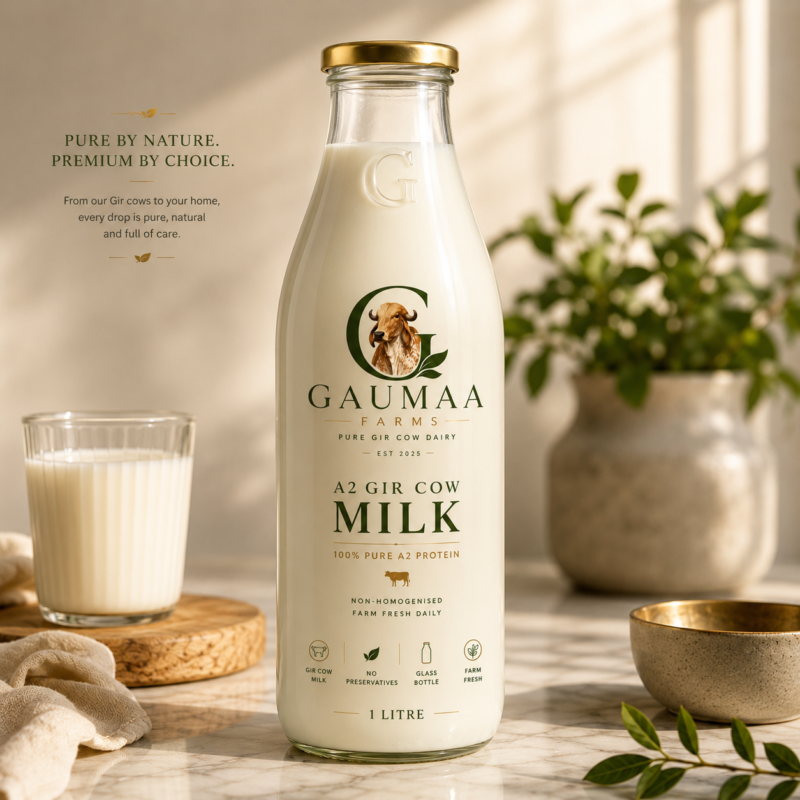
A2 milk for children can be a thoughtful everyday choice when parents want milk with a clear farm story, familiar taste and useful nutrients for a balanced family diet. At Gaumaa Farms, we do not treat a milk label as the whole answer. We start with the cows: our Gir and Sahiwal cows, their comfort, their feed, their individual observation and the care we take before their milk reaches a child’s breakfast glass.
Parents who search “A2 milk for children” are usually asking a bigger question: “What can I trust for my family every day?” The best answer is not a miracle promise. It is dependable, nourishing food from a source that can explain itself. That is the standard we work towards at Gaumaa Farms in Nikhri, Dharuhera.
What does A2 milk for children mean?
A2 refers to a beta-casein type in milk. It is not a guarantee of every aspect of milk quality, and it does not turn milk into a medicine. However, when A2 milk also comes from a farm that raises and observes its own cows, parents gain something valuable: a clearer connection to the source.
Our raw A2 cow milk comes from indigenous Gir and Sahiwal cows. We know the herd, feed the cows daily and manage milk at the farm. That is very different from asking a family to rely only on an unfamiliar label or a broad collection network.
The everyday nutrition value of milk
Milk and dairy foods can provide protein, calcium and other nutrients as part of a balanced diet. Protein contributes to normal growth and to the maintenance of body tissues. Calcium contributes to normal bones and teeth. These are meaningful, everyday reasons families have included milk, curd and paneer in home meals for generations.
For children, good nutrition is never built by one food alone. It comes from varied meals, regular activity, sleep, fruit, vegetables, cereals, pulses and suitable dairy foods. Still, milk can be a useful and convenient part of that picture. A warm cup with breakfast, homemade paneer in lunch, curd alongside roti or a glass of lassi in hot weather can make dairy feel natural rather than forced.
Protein for growing bodies
Children’s bodies need protein as they grow. Milk is one familiar dietary source of protein. Instead of making inflated claims, we encourage parents to focus on consistency: real breakfast, balanced lunch, sensible portions and foods that children enjoy. A dependable milk source helps make that routine easier to maintain.
Calcium for bones and teeth
Calcium contributes to normal bones and teeth. Milk, curd and paneer are common ways families include calcium-containing dairy foods in Indian meals. Think beyond the plain glass: paneer bhurji, dahi with paratha, ragi porridge made with milk, or homemade kheer for a family meal all bring milk into the day in appealing ways.
A familiar food that supports family routines
For many homes, the biggest advantage of milk is practical. It fits easily into established family food habits. That matters because children are more likely to enjoy nutrition when it arrives through meals they already recognise and like.
Why the farm behind the milk matters
Parents rightly read ingredients and labels. We believe they should also ask about the farm. How are cows kept? What do they eat? Who observes them? What happens if one is ill? Those questions reveal whether a dairy business sees milk as a commodity or as the result of daily animal care.
At Gaumaa Farms, our Gir and Sahiwal cows are not kept continuously tied. They can move around the farm. We provide balanced green fodder, dry fodder and appropriate nutrition. We grow fodder with our farm cow-dung fertiliser, allowing us to stay closely involved in the feed system rather than treating it as an invisible step.
During different seasons and grazing periods near the Sahibi River bank, cows may receive or encounter beetroot, moringa, sugarcane, turnip, radish, lemongrass and other seasonal plants. Some grazing environments may include neem leaves, ashwagandha, jivanti, giloy or turmeric root. We mention this only to show how we care for feed diversity and farm surroundings. We do not claim that these plants transfer medicinal properties into milk.
Our promise to families: what we serve our own family
We aim to sell our customers only what we would confidently serve our own families. This is not just a sentence at the end of a brochure. It guides everyday decisions: how we care for cows, how we grow fodder, how we observe animals and how we decide which milk enters the customer supply.
If a cow needs veterinary treatment with a required withdrawal period, we keep her milk separate and out of customer milk and dairy products until the period ends. That is part of treating milk as a responsibility. A child’s food should come with a source that takes such details seriously.
| What families want to know | The Gaumaa Farms approach |
|---|---|
| Which cows provide the milk? | Our own indigenous Gir and Sahiwal cows |
| How are they kept? | They are not kept continuously tied and can move around the farm |
| What do they eat? | Balanced green fodder, dry fodder and farm-managed nutrition |
| Who observes their health? | We observe cows individually and act on treatment requirements |
| What dairy products are available? | Milk, curd, lassi, paneer, makhan and traditional Bilona ghee |
Simple ways to serve A2 milk to children
Children often enjoy milk most when it belongs to a meal rather than becoming a daily argument. Here are practical, family-friendly ideas:
- Breakfast porridge: Make daliya, oats or ragi with milk and add fruit according to taste.
- Homemade paneer: Use fresh milk to prepare paneer bhurji, a mild curry or paratha filling.
- Curd bowl: Serve our fresh curd with roti, rice, fruit or a simple lunch.
- Seasonal lassi: On a hot day, our desi lassi can be a refreshing part of a home meal.
- Family cooking: Make kheer, seviyan or a homemade milk dessert for occasions, not as a replacement for balanced daily meals.
With fresh milk, boil it before drinking and refrigerate it promptly. A2 milk is not lactose-free, and it is not suitable for someone with cow-milk protein allergy. If your child has a diagnosed allergy, digestive condition or special dietary need, follow the guidance of their paediatric clinician.
A2 milk, curd, paneer and ghee: choosing the right use
One reason families like working with a direct farm is that the milk can become many home foods. Our milk is the starting point. Our curd brings a mild, familiar dairy food to meals. Paneer gives families a versatile protein-containing ingredient. Lassi is a traditional drink for warm days. And our curd-based Bilona ghee adds traditional flavour to dal, roti and festive cooking.
Each item has its own role. Parents do not need to chase an exaggerated “best” food. Instead, they can choose a dependable source and use dairy thoughtfully across the week. That is more sustainable, more enjoyable and more realistic for a busy home.
Five questions parents commonly ask
Is A2 milk good for children?
A2 milk can be part of a balanced diet for children who tolerate cow milk. Its protein and calcium can contribute to normal growth, bones and teeth. A child’s overall diet remains most important.
Does A2 milk make children taller?
No specific milk can promise extra height. Nutrition, health, sleep, genetics and activity all matter. Milk can contribute useful nutrients within a varied diet.
Is A2 milk lactose-free?
No. A2 refers to beta-casein, not lactose. It is not suitable for cow-milk protein allergy.
Why choose farm milk instead of an unknown source?
A direct farm source lets families understand the cows, feed, individual observation and milk-handling practices behind the product.
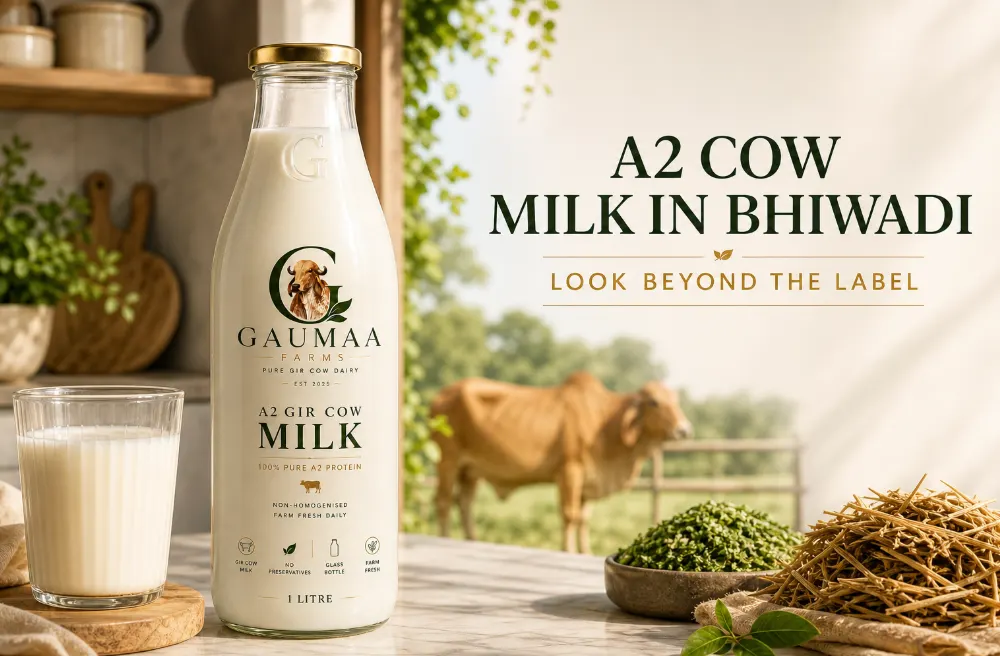
Does Gaumaa Farms deliver milk for families in Bhiwadi?
Yes, milk, curd and lassi delivery covers Bhiwadi, Dharuhera and Rewari. Please contact us to confirm your current area schedule.
Choose milk that begins with care
When you choose A2 milk for children, choose more than a label. Choose a farm that respects the cows, manages their feed, observes them individually and treats milk as food for its own family too. At Gaumaa Farms, that is the promise behind every bottle.
Explore our A2 cow milk or contact our farm team to bring traceable, family-first dairy to your kitchen in Dharuhera, Bhiwadi or Rewari.
Sources and further reading
For general dietary guidance, see the ICMR–NIN Dietary Guidelines for Indians. For information on cow-milk allergy and lactose intolerance, consult a qualified clinician and see the NIDDK lactose-intolerance guidance.