

A1 vs A2 Milk: What Is the Difference and Which Should You Choose?

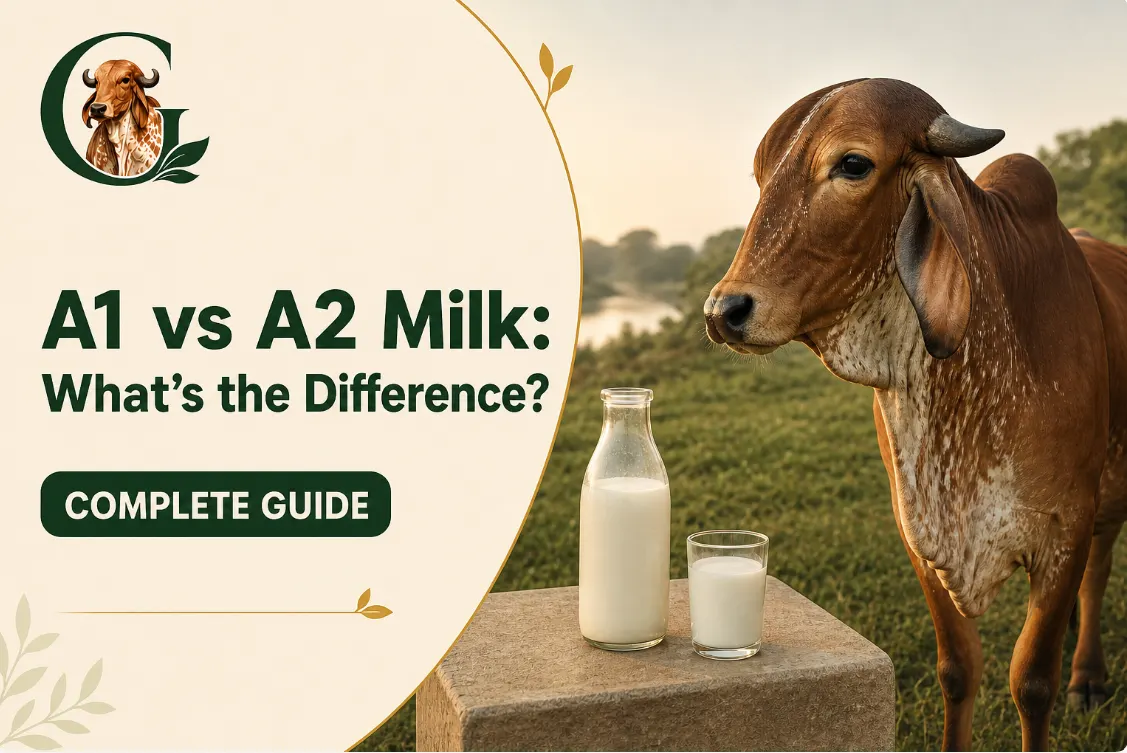
A1 and A2 are not grades of purity or measures of freshness. They describe variants of beta-casein, one of the principal proteins found in cow milk. Here is a clear, evidence-aware guide to what that difference means for your family.
What do A1 and A2 mean in milk?
Cow milk contains water, fat, lactose, minerals, vitamins and protein. Casein makes up a large part of milk protein, and beta-casein is one form of casein. Depending mainly on genetics, a cow may produce A1 beta-casein, A2 beta-casein, or a combination reflected in pooled milk.
- A1 milk contains the A1 beta-casein variant.
- A2 milk contains the A2 beta-casein variant.
- Conventional pooled milk may contain both variants.
The two proteins differ by a single amino acid in their chain. That small structural difference can influence how they are broken down during digestion. It is the scientific basis of the A1-versus-A2 discussion, not a claim that one bottle is magically more nutritious than another.
Which cows produce A2 milk?
A cow’s beta-casein type is determined primarily by genetics. Indigenous Indian breeds such as Gir and Sahiwal are commonly associated with the A2 variant. Breed is a useful indicator, although individual genetic verification is stronger evidence than breed alone.
Gaumaa Farms raises indigenous Gir and Sahiwal cows at its farm in Nikhri, Dharuhera, in Haryana’s Rewari district. These breeds are central to our approach, but we believe the complete farming system matters too: what the cows eat, how they are housed, the gentleness and hygiene of milking, daily milk checks and careful local delivery.
Is A2 milk easier to digest?
Some people who feel discomfort after drinking conventional milk report that they feel more comfortable after choosing milk containing only A2 beta-casein. Human trials have investigated differences in abdominal symptoms and digestive responses.
A systematic review reported moderate-certainty evidence for certain adverse digestive effects from A1 beta-casein compared with A2, but evidence for wider health effects was low or very low. Another review described the gastrointestinal evidence as promising but said that more research across larger and more varied groups was required.
The responsible conclusion is that A2 milk may feel more comfortable for some consumers, but results differ, and the research is still developing. A2 milk should never be presented as a cure or treatment.
Is A2 milk lactose-free?
No. A2 describes a protein variant; lactose is the naturally occurring sugar in milk. A2 cow milk still contains lactose and can cause symptoms in a person with lactose intolerance. If milk regularly causes discomfort, a doctor or registered dietitian can help distinguish lactose intolerance from other possible causes.
Can a person with milk allergy drink A2 milk?
A2 milk is not an alternative for someone with a diagnosed cow-milk protein allergy. It still contains cow-milk proteins, including casein and whey. Milk allergy can be serious, particularly in children, and should be managed according to professional medical advice.
Does A2 milk contain more calcium or protein?
Both A2 and conventional cow milk naturally contain dairy protein and minerals such as calcium and phosphorus. Exact composition varies with breed, season, feed, stage of lactation and processing. The A2 designation identifies a beta-casein variant; by itself, it does not prove that a bottle contains more calcium, vitamins, fat or total protein.
Customers should therefore be cautious of statements claiming that A2 milk cures disease, is lactose-free, or always contains more of every nutrient. Clear facts build more trust than exaggerated promises.
Why the cow’s diet and environment matter
A2 status comes mainly from genetics, but feeding remains fundamental to animal husbandry. At Gaumaa Farms, our cows receive varied, naturally grown and seasonal fodder. Depending on availability, this may include neem leaves, ashwagandha, jivanti, giloy, beetroot, moringa, turmeric root, sugarcane, turnip, lemongrass, radish and other seasonal plants.
The cows may also graze along the Sahibi River bank, where they encounter grasses and seasonal forest vegetation. We share these details to explain the diversity of their feeding environment and the care behind our farming. We do not claim that the medicinal properties traditionally associated with an herb automatically transfer into milk; such claims would require product-specific scientific testing.
What makes Gaumaa Farms different?
Indigenous Gir and Sahiwal cows
Our milk comes from indigenous breeds raised under our supervision at a known local farm.
Diverse seasonal fodder and grazing
Our feeding programme responds to the season and includes farm-grown fodder and suitable natural grazing, giving us oversight from fodder to cow to milk.
Daily batch checks
Every batch is checked with an Ultrasonic Milk Analyser before delivery. This is one element of quality control alongside hygienic milking, clean handling, suitable storage and responsible delivery.
Local farm-to-home supply
A shorter, traceable supply chain lets customers know where their milk comes from and ask specific questions about its production. Gaumaa Farms supplies fresh raw A2 milk in Dharuhera, Bhiwadi and Rewari, subject to availability.
How to handle raw milk safely
Gaumaa Farms supplies raw, unpasteurised milk. Freshness does not remove the need for careful handling. Boil the milk before consumption, use a clean vessel, refrigerate it promptly after cooling and avoid leaving it at room temperature for extended periods. Children, pregnant women, older adults and people with weakened immunity should follow appropriate medical and food-safety advice.
A1 vs A2 milk: which should you choose?
A2 milk may suit people who consume dairy, value milk from indigenous cows, prefer a transparent local source or want to see whether an A2-only option feels more comfortable. Conventional milk remains suitable for many people, and current evidence does not justify describing all A1-containing milk as harmful.
Your choice should consider personal tolerance, allergy, lactose intolerance, food safety, source transparency, taste and intended use. For Gaumaa Farms, the strongest case is not a miracle promise; it is the combination of indigenous cows, diverse seasonal feeding, identifiable farm practices, daily checks and local farm-to-home supply.
Frequently asked questions
What is the main difference between A1 and A2 milk?
The difference concerns beta-casein. A1 milk contains the A1 variant, while A2 milk contains A2 beta-casein.
Is A2 milk better for digestion?
Some studies suggest fewer digestive symptoms for certain consumers, but the results do not apply to everyone, and further independent research is needed.
Is A2 milk suitable for lactose intolerance?
Not necessarily. A2 milk contains lactose.
Do Gir and Sahiwal cows produce A2 milk?
These breeds are commonly associated with A2 beta-casein, although individual genetic verification is stronger evidence than breed alone.
Where can I buy fresh A2 milk near Dharuhera?
Gaumaa Farms supplies fresh raw A2 cow milk in Dharuhera, Bhiwadi and Rewari, subject to availability.
Choose traceable A2 milk from a local farm
Looking for fresh A2 cow milk in Dharuhera, Bhiwadi or Rewari? Contact Gaumaa Farms to check delivery availability or learn more about our farm and cows.
Sources: Systematic review of A1 beta-casein and human health; systematic review of gastrointestinal effects.